
-
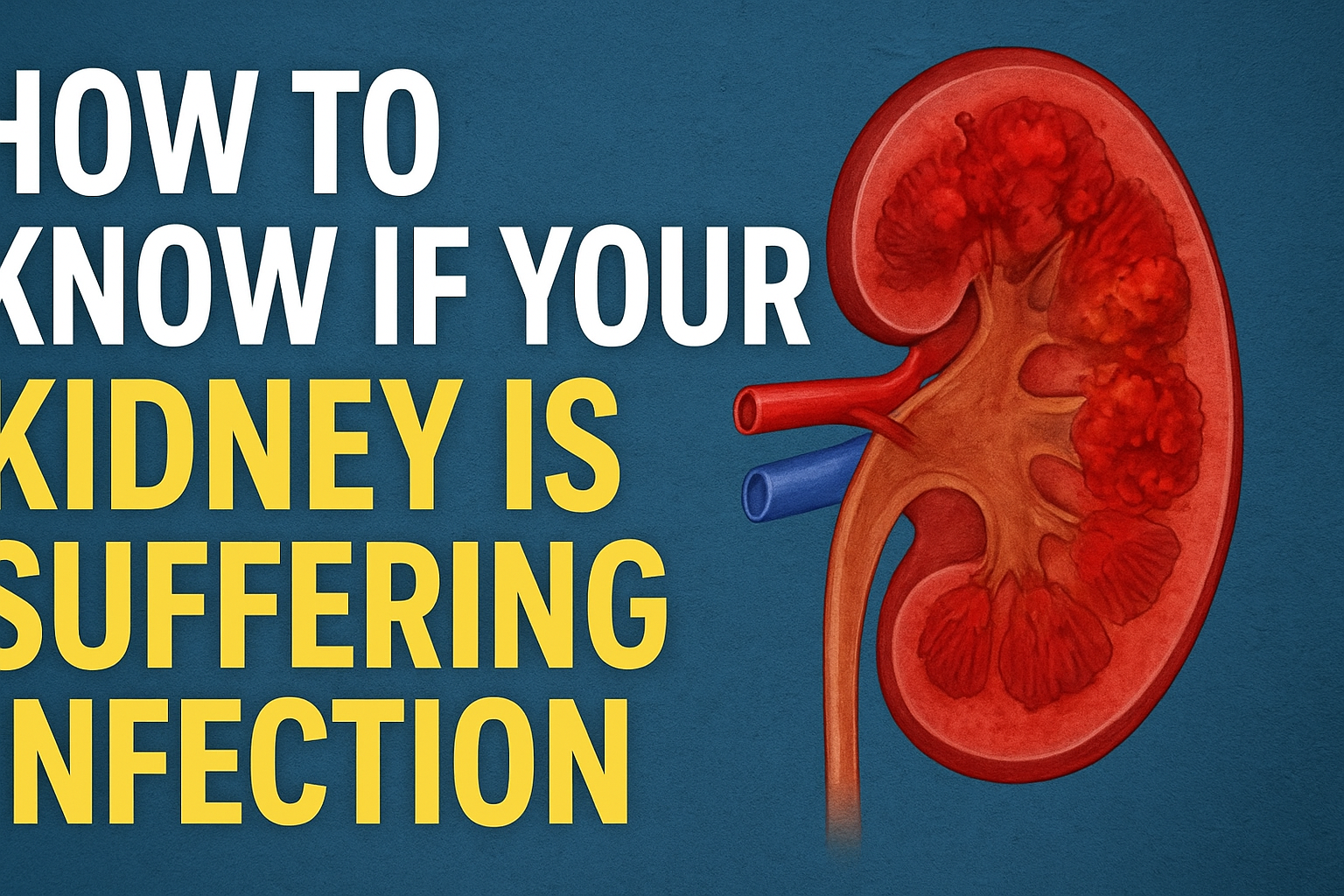
how to know if your kidney is infected at home
-
early symptoms of kidney infection in females
-
difference between urinary tract infection and kidney infection
-
how to detect kidney infection early and prevent damage
-
signs your kidney infection is getting worse
The kidneys are two bean-shaped organs that play a vital role in keeping the body healthy. They filter waste, balance fluids, regulate blood pressure, and produce hormones. Because of their essential functions, any infection in the kidneys should never be ignored.
Many people confuse a simple urinary tract infection (UTI) with a kidney infection. While both conditions affect the urinary system, kidney infections are more serious and can lead to long-term health complications if left untreated.
This article explains in detail how to know if your kidney is suffering from infection, the early warning signs, causes, diagnostic methods, treatment options, and preventive measures.
Disclaimer: This article is for educational purposes only. It does not replace medical advice. If you suspect you have a kidney infection, consult a healthcare professional immediately.
What Is a Kidney Infection?
A kidney infection, also called pyelonephritis, is a type of urinary tract infection (UTI) that begins in the bladder or urethra and spreads upward to one or both kidneys. Unlike mild UTIs, kidney infections can become severe quickly, leading to permanent kidney damage or sepsis if not treated on time.
Causes of Kidney Infections
Kidney infections usually occur when bacteria, most commonly Escherichia coli (E. coli), enter the urinary system. The infection often starts in the bladder (cystitis) and travels upward to the kidneys.
Common causes include:
- Untreated bladder infections
- Blocked urine flow (kidney stones, enlarged prostate, or tumors)
- Vesicoureteral reflux (urine flowing backward from bladder to kidney)
- Weakened immune system (from diabetes, HIV, or certain medications)
- Catheter use in hospitals or long-term care
Early Signs and Symptoms of Kidney Infections
Recognizing the early signs of kidney infection is critical for quick treatment. Some symptoms overlap with bladder infections, but kidney infections are usually more severe.
The most common signs include:
- Persistent Pain in the Lower Back or Side
- A dull or sharp ache near the kidney area (flank pain).
- Fever and Chills
- High fever (above 38°C/100.4°F) often signals infection has reached the kidneys.
- Frequent Urination with Discomfort
- Burning or pain while urinating (dysuria).
- Changes in Urine
- Cloudy or foul-smelling urine.
- Blood in urine (hematuria).
- Dark or concentrated urine.
- Fatigue and Weakness
- The body diverts energy to fight infection, leaving you drained.
- Nausea and Vomiting
- Digestive upset often accompanies severe infections.
Risk Factors for Developing Kidney Infections
Anyone can get a kidney infection, but certain people are at higher risk.
- Women – shorter urethras make it easier for bacteria to enter the bladder.
- Pregnant women – hormonal changes and pressure on urinary tract increase risk.
- People with diabetes – weakened immunity makes infections harder to fight.
- Men with enlarged prostate – blocked urine flow raises infection chances.
- Individuals with kidney stones – stones can trap bacteria and block urine.
How to Know If Your Kidney Infection Is Serious
A simple UTI may cause discomfort but is rarely life-threatening. A kidney infection, however, should be taken seriously. You should seek immediate medical attention if you experience:
- High fever and chills
- Severe flank pain
- Blood in urine
- Vomiting and inability to keep fluids down
- Confusion or disorientation (especially in older adults)
These are red flags that the infection may be spreading to the bloodstream, leading to sepsis, a life-threatening condition.
Medical Tests to Detect Kidney Infections
If you suspect a kidney infection, your doctor will recommend several diagnostic tests to confirm it.
- Urinalysis
- Detects bacteria, pus, and blood in urine.
- Urine Culture
- Identifies the specific bacteria causing the infection.
- Blood Tests
- Checks for infection markers and kidney function.
- Imaging Scans
- Ultrasound: to check for kidney stones or blockages.
- CT Scan: detailed view to identify abscesses or complications.
Complications of Untreated Kidney Infections
Ignoring the symptoms of kidney infection can lead to:
- Chronic kidney disease
- Kidney abscesses
- High blood pressure
- Permanent kidney damage (renal failure)
- Sepsis (blood poisoning) – life-threatening
This is why early diagnosis and treatment are crucial.
How Kidney Infections Are Treated
1. Antibiotics
- Doctors typically prescribe antibiotics for 7–14 days, depending on severity.
- Intravenous (IV) antibiotics may be needed in hospitals for severe infections.
2. Pain Relief and Hydration
- Over-the-counter pain relievers like acetaminophen may be used.
- Patients should drink plenty of fluids to flush out bacteria.
3. Hospitalization
- Required if the infection is severe, recurrent, or if the patient is pregnant or immunocompromised.
Home Remedies and Lifestyle Support
While antibiotics are essential, lifestyle habits and home remedies can support recovery:
- Drink enough water – keeps urine diluted and helps eliminate bacteria.
- Apply a warm compress – reduces kidney and back pain.
- Take probiotics – restore healthy bacteria after antibiotic treatment.
- Eat antioxidant-rich foods – berries, citrus fruits, leafy greens.
- Avoid alcohol and caffeine – they dehydrate and stress the kidneys.
Note: Home remedies support healing but must not replace medical treatment.
Prevention of Kidney Infections
The best approach is prevention. You can lower your risk by:
- Drinking 8–10 glasses of water daily.
- Urinating after sexual activity.
- Wiping front to back (for women).
- Avoiding prolonged use of catheters.
- Managing diabetes and blood pressure.
- Treating bladder infections promptly.
Frequently Asked Questions (FAQs)
Q1: Can kidney infections go away without antibiotics?
No. Kidney infections usually require antibiotics. Home remedies alone are not enough.
Q2: How do I know if back pain is from a kidney infection or muscle pain?
Kidney infection pain is often deep, one-sided, and accompanied by fever, chills, or urinary changes.
Q3: Can kidney infection cause long-term damage?
Yes, untreated infections can cause permanent kidney damage or sepsis.
Q4: What is the fastest way to recover from a kidney infection?
Start antibiotics as soon as prescribed, stay hydrated, rest, and eat a kidney-friendly diet.
Q5: Who is most at risk of kidney infections?
Women, people with diabetes, those with urinary blockages, and anyone with frequent bladder infections.
Conclusion: Why Early Diagnosis Saves Lives
Kidney infections are not something to ignore. Recognizing the early signs such as flank pain, fever, urinary changes, and fatigue can help you seek treatment quickly. With timely medical care, most kidney infections can be completely cured without complications.
The key to protecting your kidney health is prevention and prompt treatment. Stay hydrated, practice good hygiene, and never delay visiting a doctor if you notice symptoms.
A healthy kidney means a healthier body, and early action is the best step you can take.